


News
-
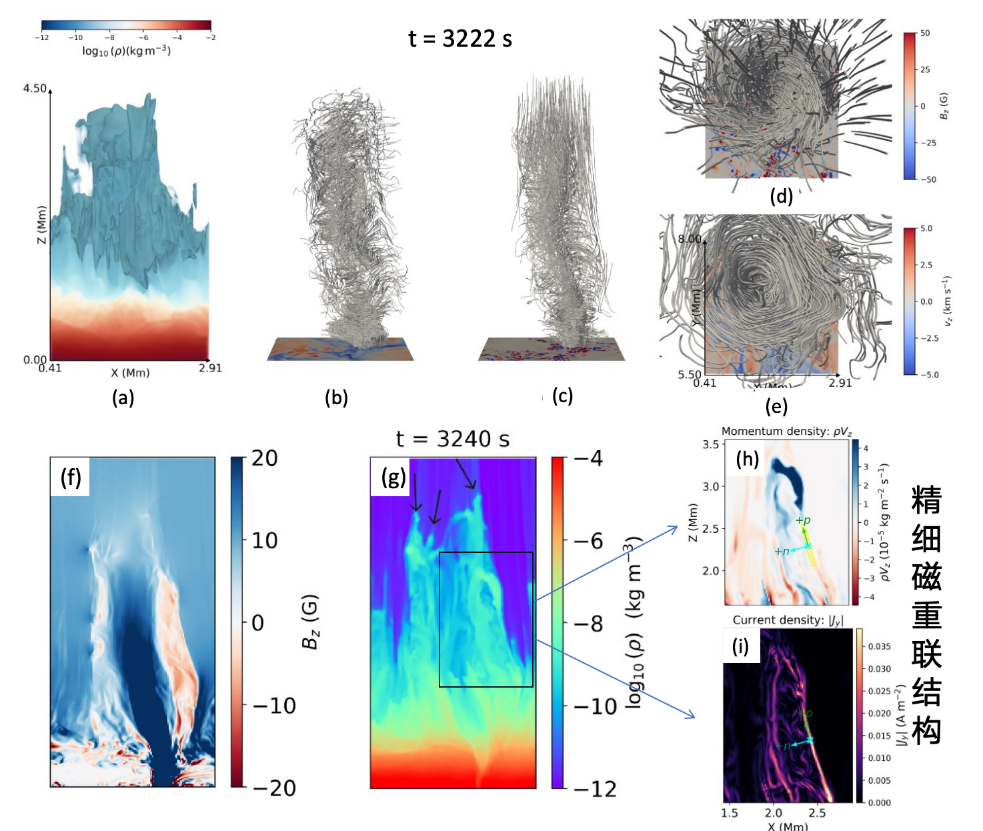 Simulation Reveals How Rotating Solar Spicules Form and Transport Mass and EnergyThree-dimensional radiative magnetohydrodynamic simulations show that photospheric vortices twist the magnetic field and, together with the small-scale magnetic reconnection they induce, drive rotating spicule-like jets, and quantify the mass and energy the jets transport into the lower corona.Nov 23, 2026
-
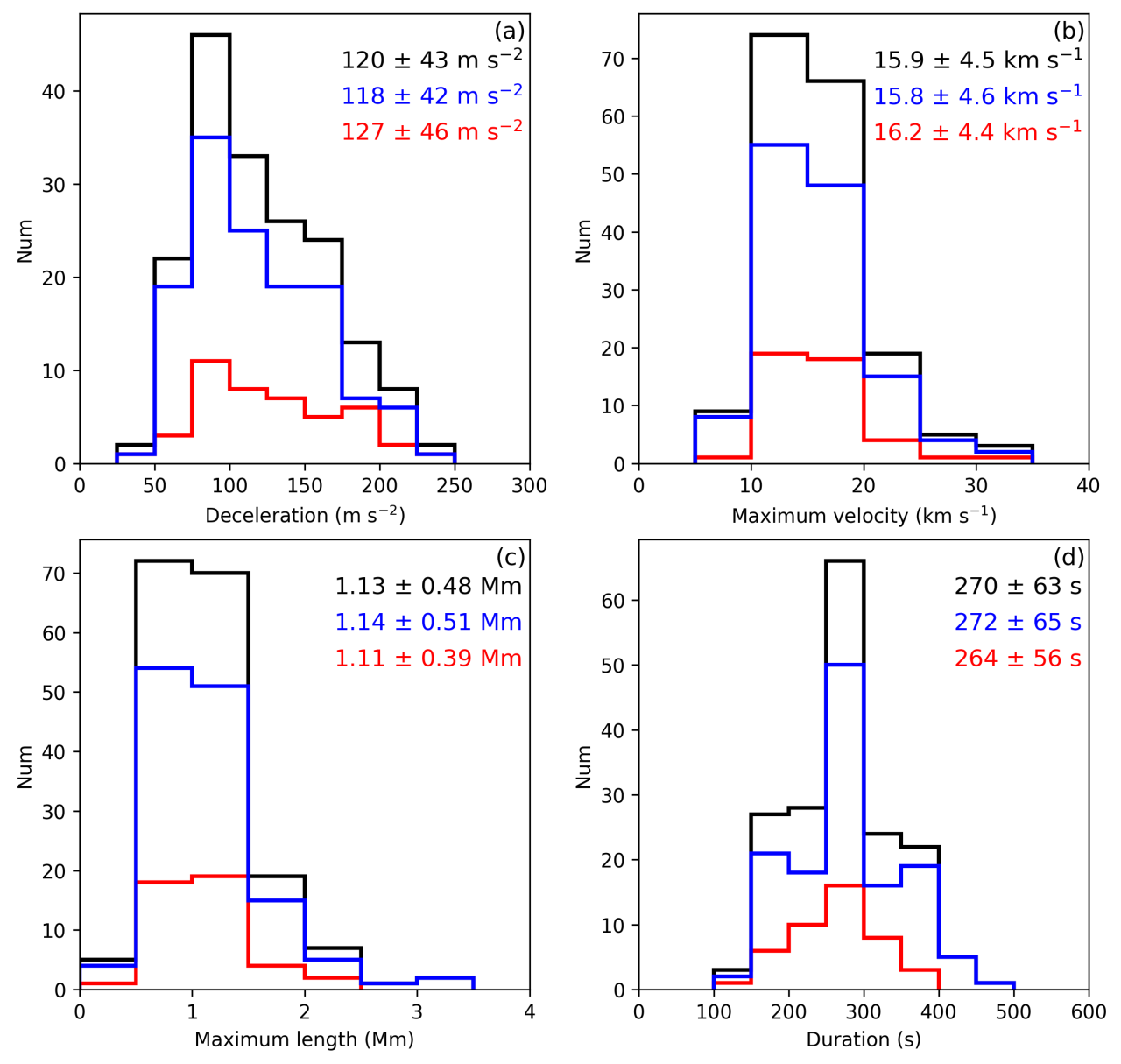 Research Reveals Physical Properties of Dynamic Fibrils Around a Sunspot by NVSTUsing high-resolution NVST Hα observations, researchers at Yunnan Observatories identified 176 dynamic fibrils around a sunspot, characterized their kinematic properties, and found evidence linking their behavior to slow magnetoacoustic waves and magnetic field inclination.Nov 16, 2026
-
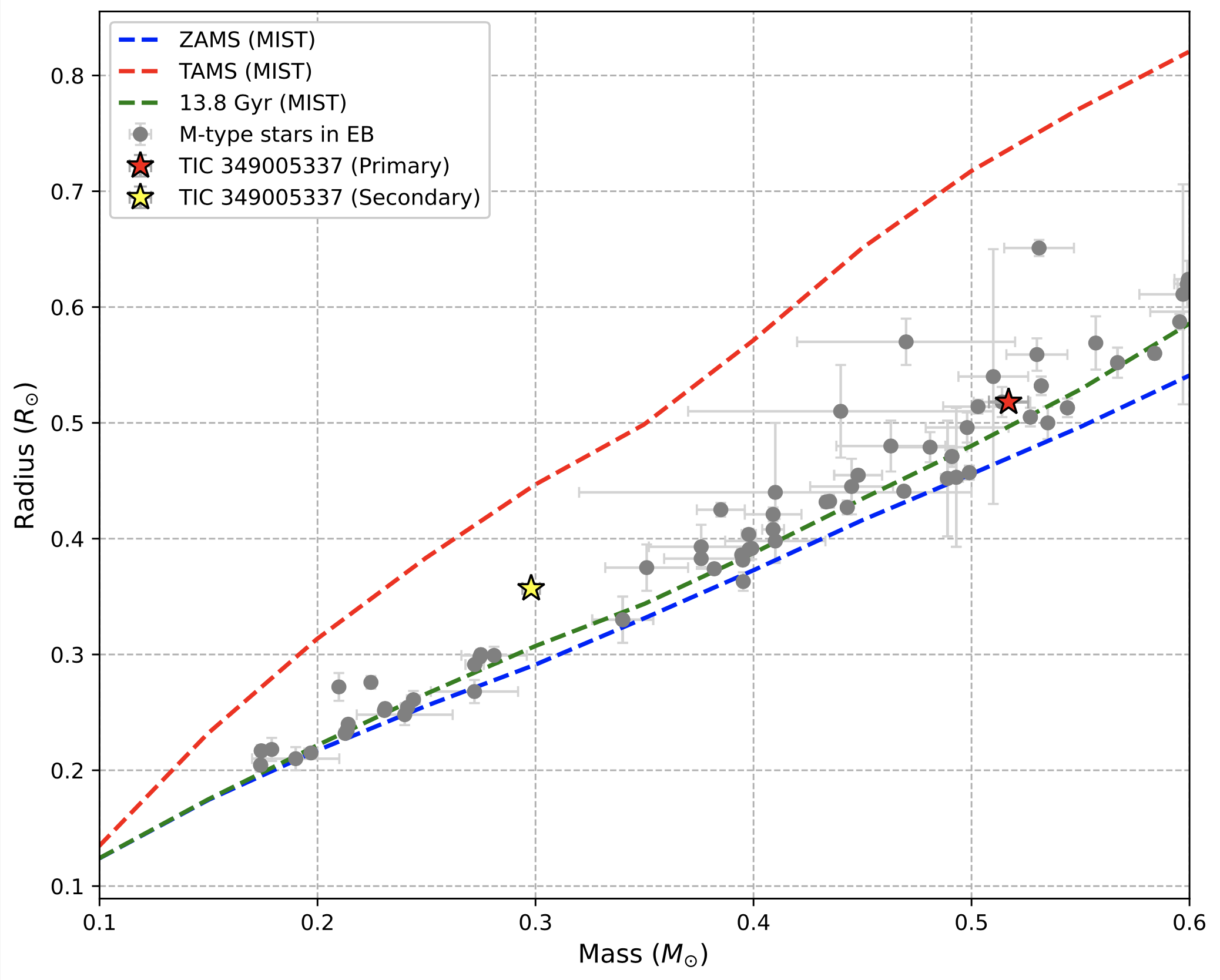 Study of Active M-Dwarf Binary TIC 349005337 Measures Stellar Parameters and Captures 12 Flare EventsUsing LAMOST and TESS data, researchers at Yunnan Observatories measured the physical parameters of the active M-dwarf binary TIC 349005337 and detected 12 optical flare events, providing new observational evidence on magnetic activity, radius inflation, and flare behavior in low-mass stars.Nov 09, 2026
-
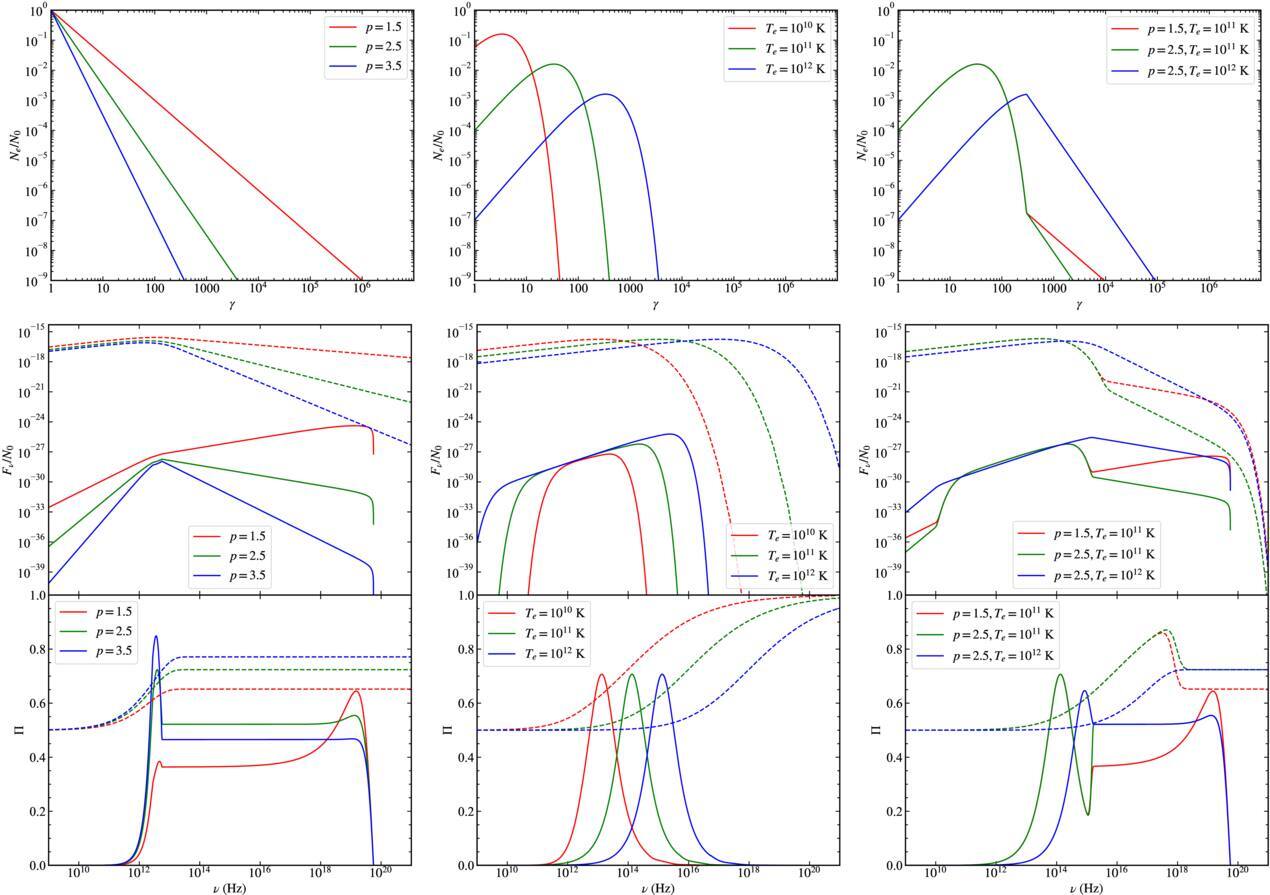 New Theoretical Framework Describes Linear Polarization of Synchrotron Radiation from Very-Small-Pitch-Angle ElectronsA theoretical study by researchers at Yunnan Observatories examines the linear polarization of synchrotron radiation from very-small-pitch-angle electrons, showing how thermal, nonthermal, and hybrid energy distributions shape polarization across radio to gamma-ray bands and providing a framework beyond conventional synchrotron theory.Nov 09, 2026
-
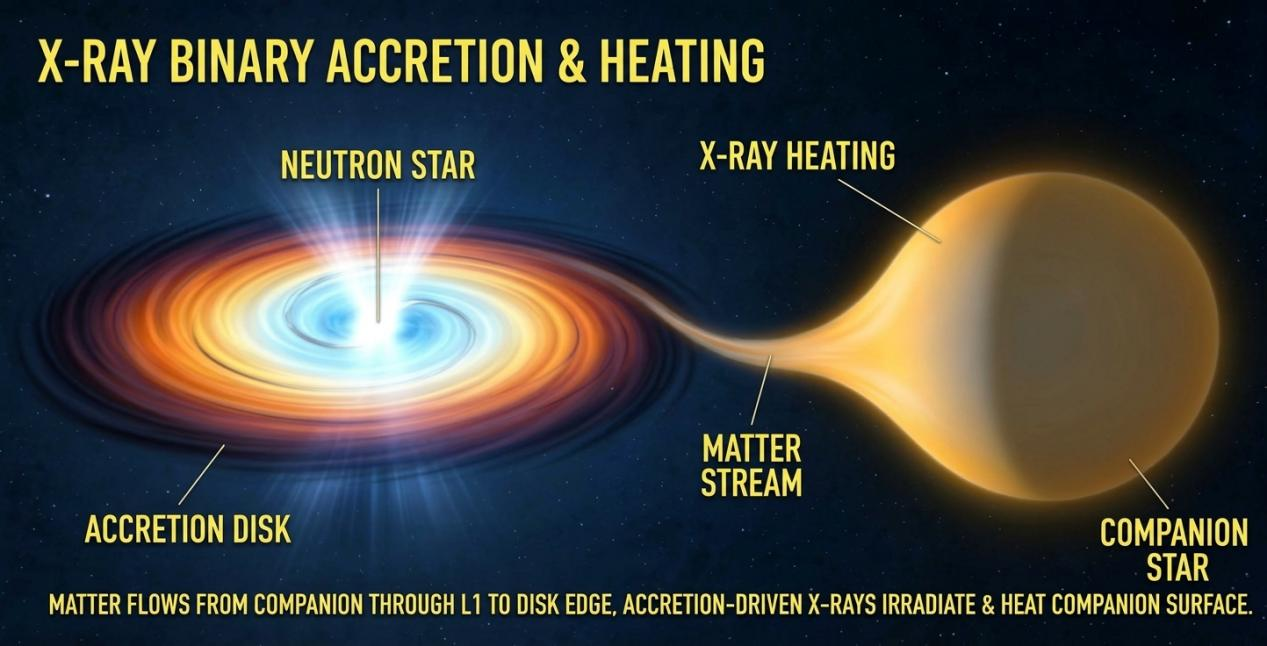 “Brake” Model Solves the Mystery of Low-Mass X-ray Binary EvolutionIntegrating irradiation-induced enhanced stellar winds with a saturated magnetic braking model, this work successfully unravels the long-standing mystery surrounding the evolutionary diversity of low-mass X-ray binaries (LMXBs).Nov 06, 2026
-
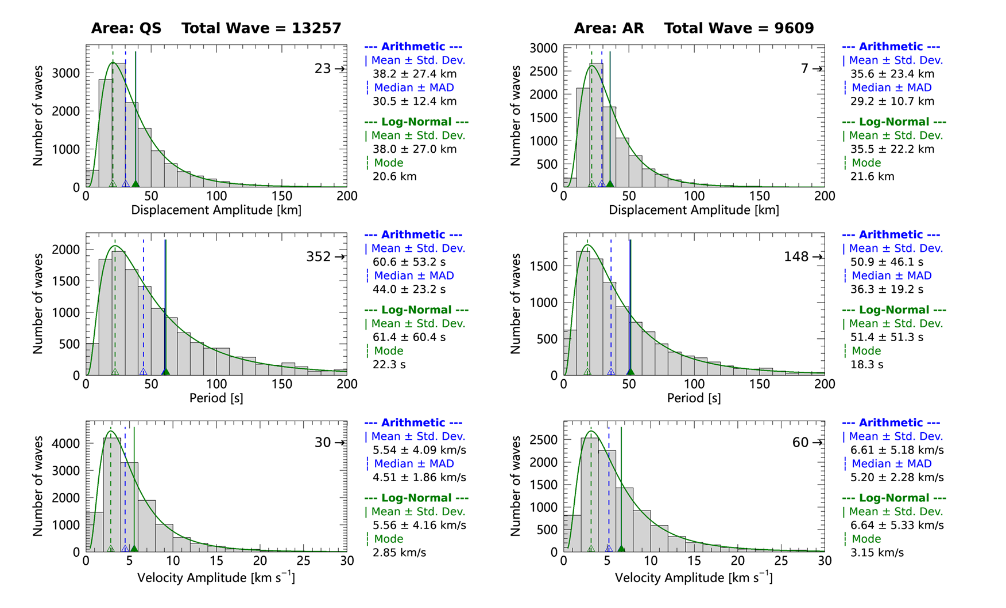 Study Reveals Ubiquitous High-frequency Transverse Waves in Solar Chromospheric Fibrils Using DKISTUsing DKIST high-resolution Hα observations, researchers analyzed 22,866 transverse oscillations in solar chromospheric fibrils. They found prevalent high-frequency, small-amplitude kink waves with mean period ~56 s, displacement ~37 km, velocity ~6 km/s, and phase speed ~21 km/s. The estimated energy flux was 20 ± 200 W m⁻², insufficient for chromospheric heating alone.Oct 20, 2026
-
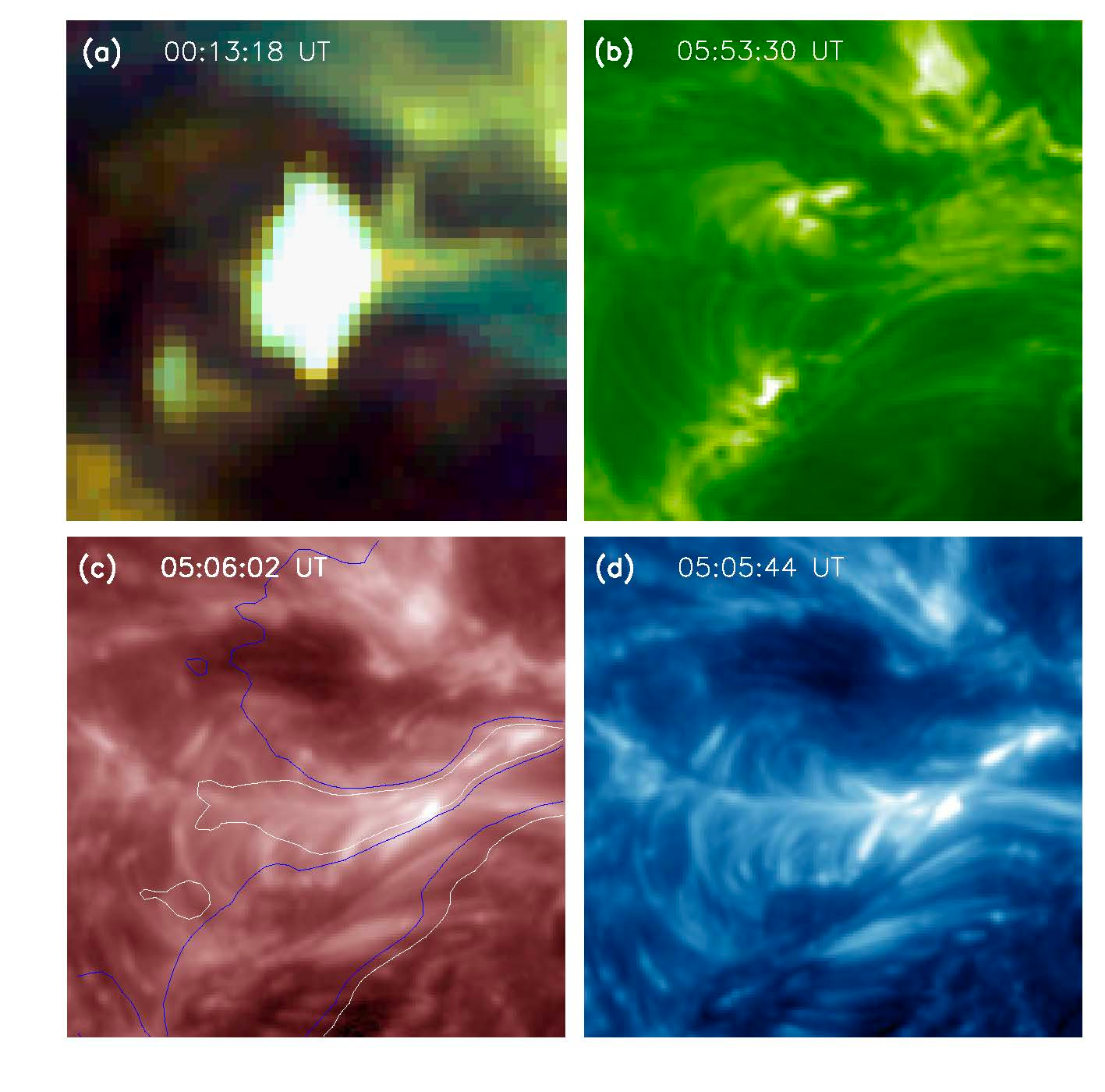 Study Reveals the Fine-scale Process of Recurrent Brightenings in a Fishbone-like Magnetic StructureResearchers led by YANG Bo at Yunnan Observatories analyzed high-cadence observations of active region 12297 and identified 18 recurrent brightenings in a fishbone-like magnetic structure. Bright features traveled node by node along the spine, suggesting successive magnetic reconnection. The study offers clues to fine-scale, ordered magnetic energy release in the solar atmosphere.Oct 13, 2026
-
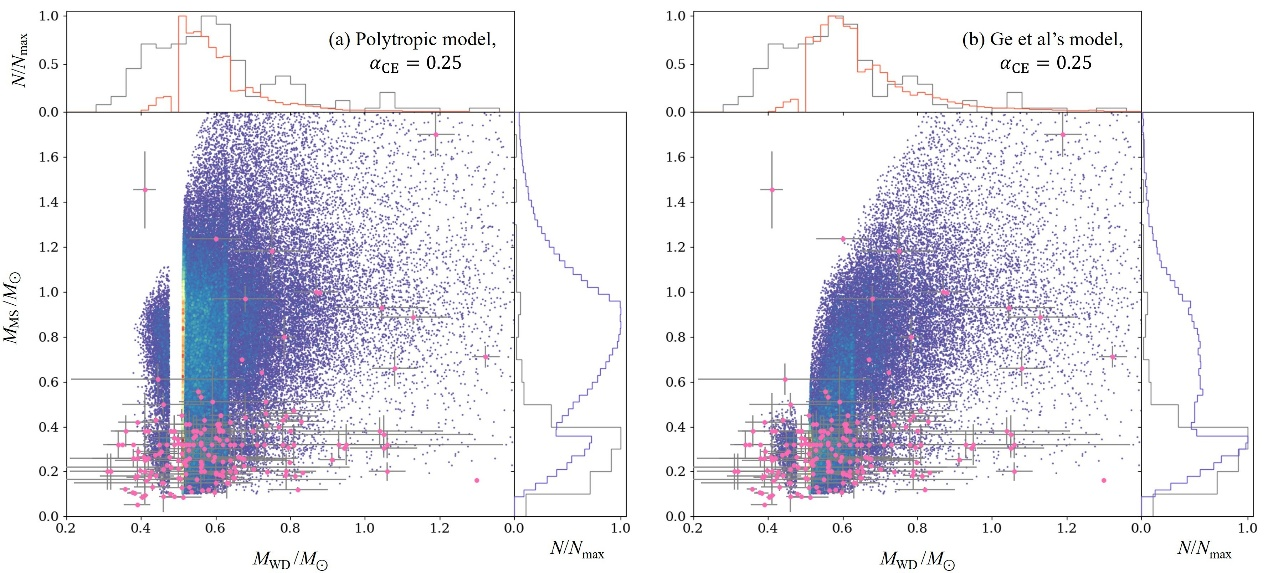 Researchers Uncover New Mechanism for the Deficit of Post-common-envelope Binaries with Solar-type CompanionsResearchers at Yunnan Observatories improved binary population synthesis with an adiabatic mass-loss stability criterion. They found that enhanced mass-transfer stability reduces the formation of post-common-envelope binaries with solar-type main-sequence companions. Combined with magnetic braking and selection effects, this explains the observed deficit.Oct 13, 2026
-
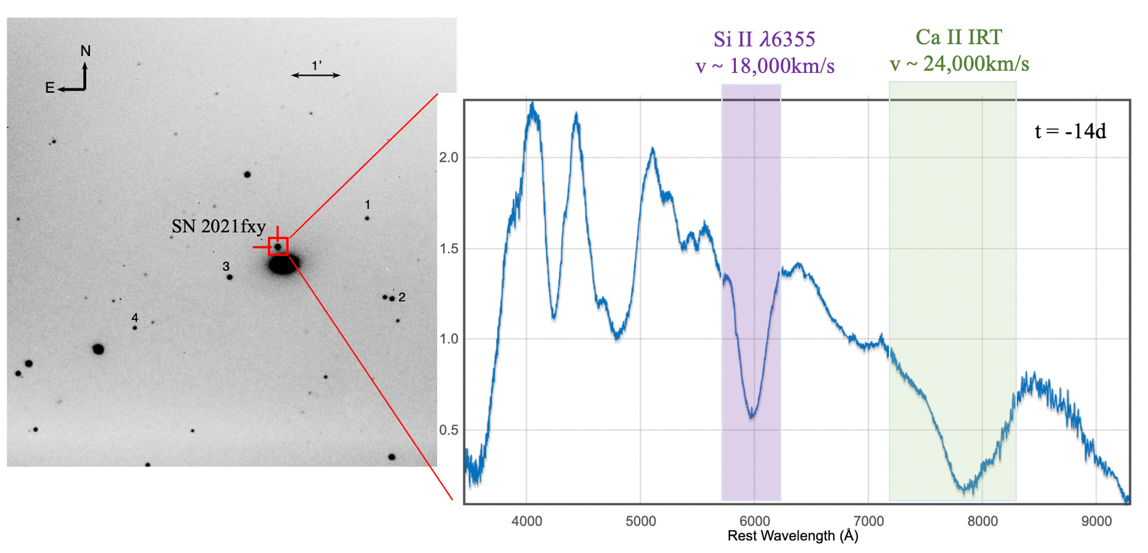 Researchers Report Unusual Velocity Evolution of High-Velocity Features in Type Ia Supernova SN 2021fxyDoctor LI Liping and Professor ZHANG Jujia studied the young Type Ia supernova SN 2021fxy. They found strong, well-separated high-velocity features (HVFs) of silicon and calcium. The Si II λ6355 HVF declined slowly (β ≈ 0.1), slower than the photosphere (β ≈ 0.22), suggesting a decoupled ejecta structure and providing constraints on Type Ia explosion physics.Oct 13, 2026
-
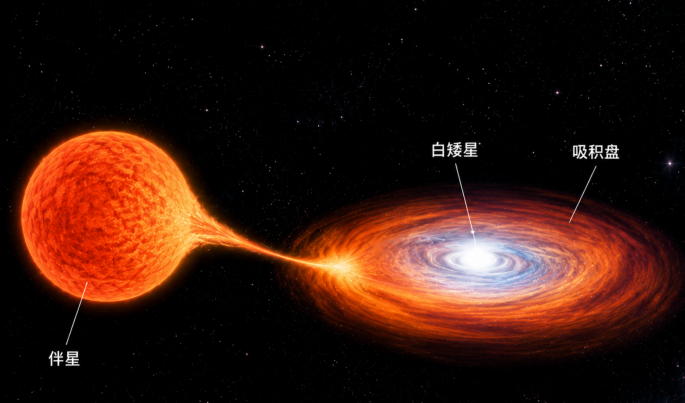 Researchers Report Dwarf Novae Unlikely to Be Type Ia Supernova ProgenitorsResearchers at Yunnan Observatories modeled cyclic accretion in dwarf novae and found that outburst–quiescence cycles trigger nova eruptions, reducing white dwarf mass retention. The results suggest dwarf novae cannot grow to the Chandrasekhar limit and are unlikely to be Type Ia supernova progenitors.Sep 30, 2026